
Why I Don't Like Fluoride in Drinking Water
As a former water treatment consultant and herbalist

This has been a very controversial topic lately. You are either on one side or another. Recently, the Florida Surgeon General recommended that his state stop water fluoridation. He cited studies that it has been linked to nueropshychiatric risks, lower IQ’s, and increased incidents of ADHD. I spent a decade as a water treatment consultant. I worked with drinking water and waste water treatment plants. I also worked with power plants, paper mills and many different types of industrial plants. Anything that used water in a process, I worked with. I’ve seen the good, bad, and the ugly. My job was to help each plant solve problems and meet its EPA regulations.
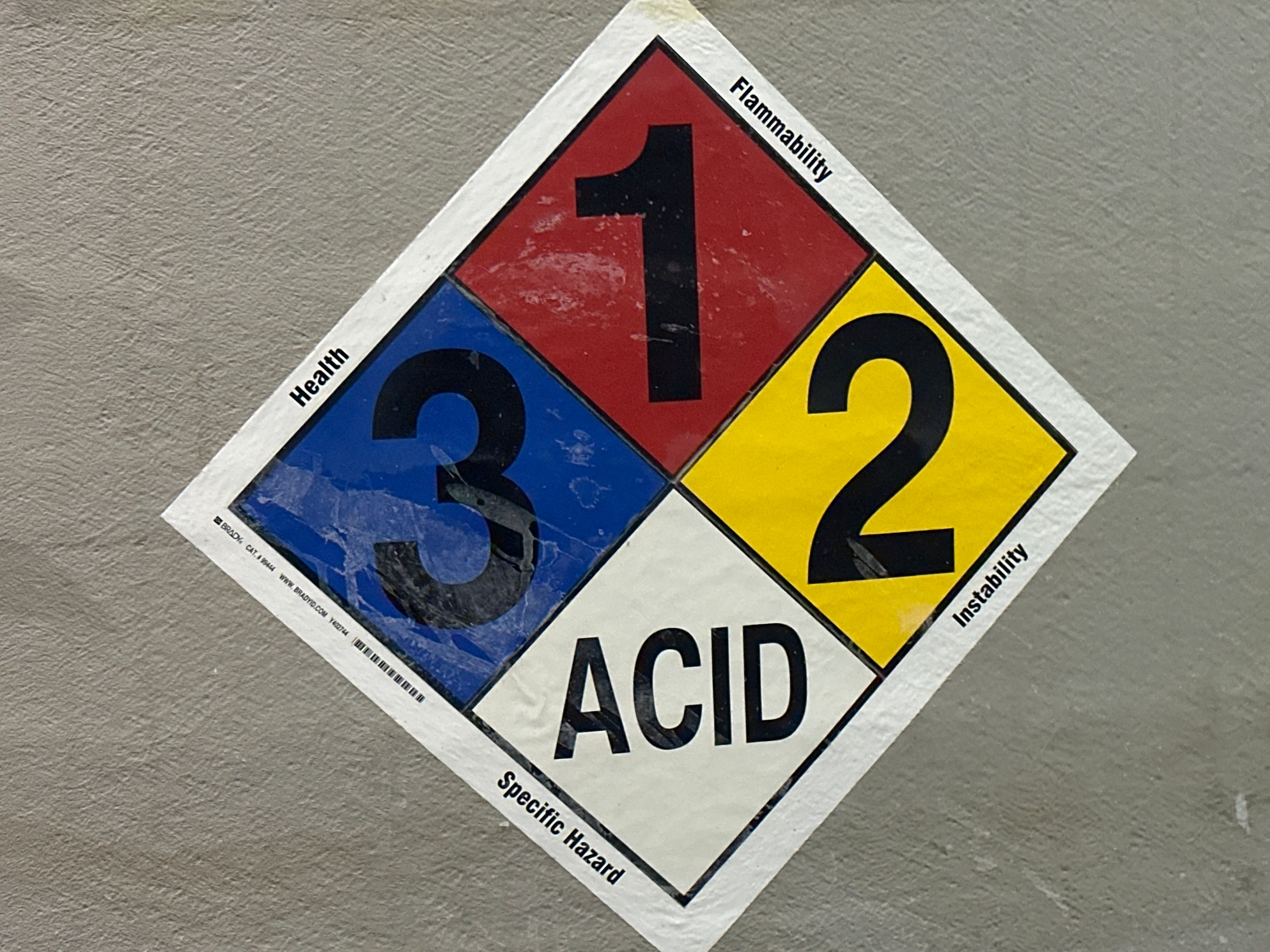
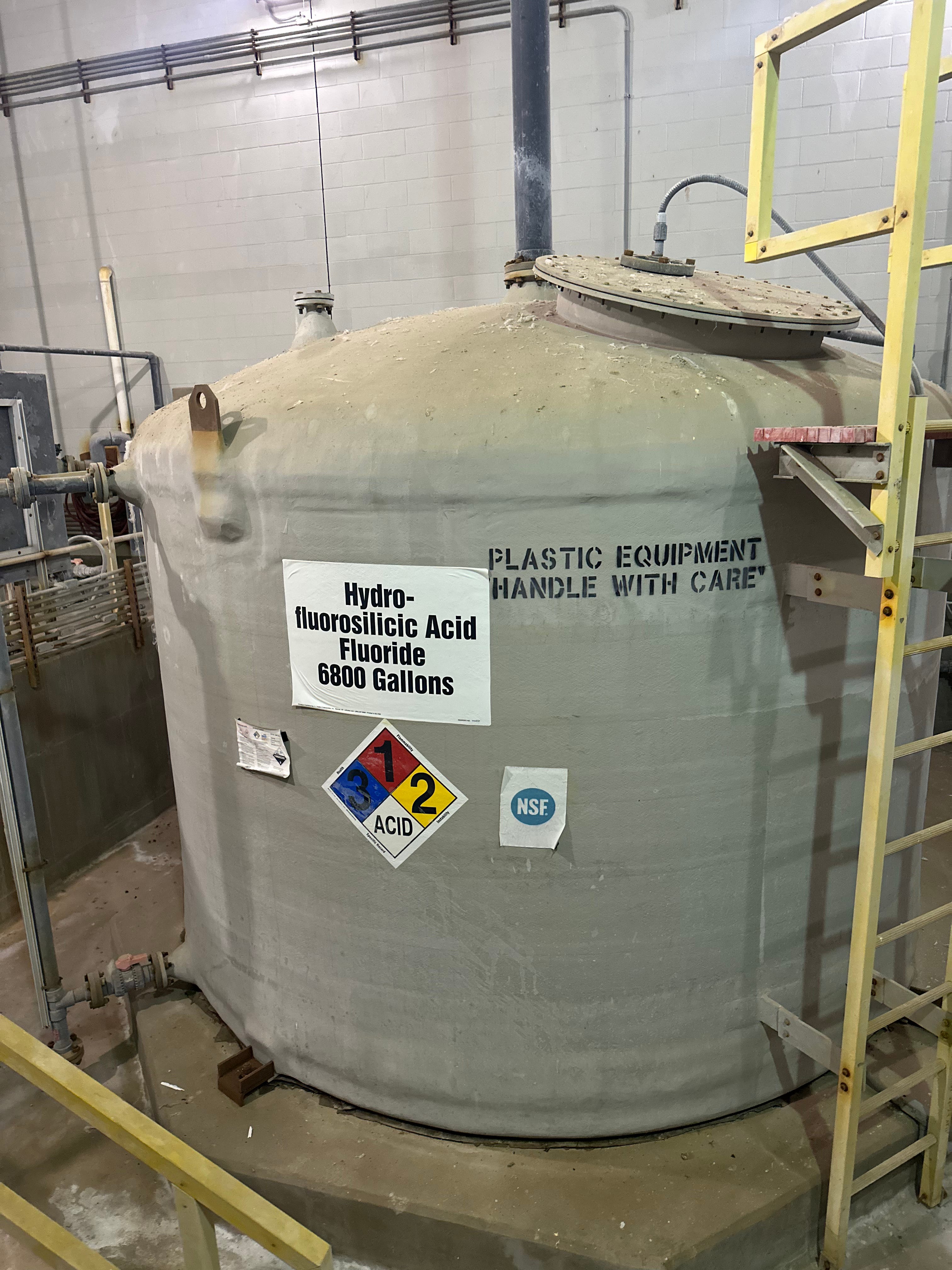
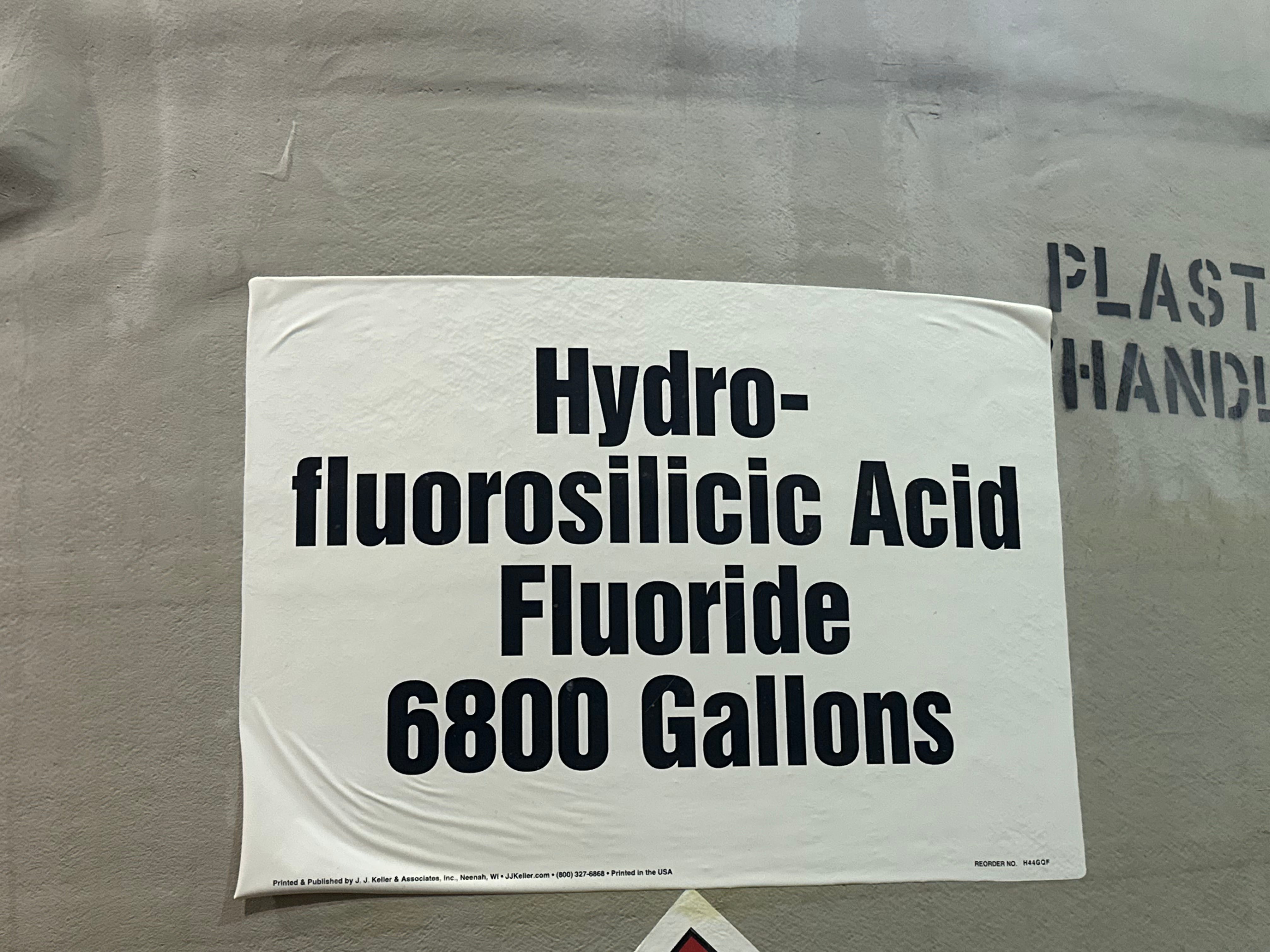
There are many chemicals that drinking water plants need to treat potable water. Many processes are needed, as well. Not all of these plants fed hydrofluorosilicic acid or fluoride. From its name you can denote that it is an acid. It is definitely not fun to deal with or handle. Especially in large quantities like 250 gallon totes or several thousand gallon tanks. I have seen it corrode and eat concrete.
Many large cities are feeding fluoride. Not every single plant has it. You will need to read your annual Consumer Confidence Report (CCR) report that is issued once a year or call your water company to find out if they feed it.
The average person doesn’t usually know how water is treated or how it arrives into their home. Most potable water plants are feeding about 1.0 ppm (parts per million) of fluoride as it is leaving the plant. The EPA allows a maximum of 4.0 ppm. Water then has to travel many miles to reach your house. Think of the water pipes underground as a river. Along this river are many branches that run off from it in all directions. It travels down major roads and then has to go down streets and into neighborhoods. There are also dead ends to branches. This makes it very difficult to maintain 1.0 ppm of fluoride throughout the entire system at all times.
I did a study once for my personal dentist. She wanted to know what the fluoride levels were in all of the cities and communities that her patients lived in. I pulled water samples throughout these locations. According to the American Dental Association (ADA), the optimum fluoride levels in drinking water to help fight cavities is 0.7 ppm. What I found is that on average it was about 0.4-0.5 ppm in all of these different locations. They all had different plants and were considered completely different systems. I then bought a gallon of nursery water. This is water for babies and toddlers that contains fluoride. (Infants and toddlers need less to not cause health risks). I tested it and learned that it to only contained about 0.4 ppm. What my dentist concluded was that she needed to suggest that her patients buy the mouth rinse that contains fluoride and to suggest fluoride treatments in her office.
Fluoride is a naturally occurring element in water, soil, plants, and oceans. In the past, places were there was more fluoride, people had less cavities. This is how scientists discovered that it can be helpful in fighting cavities. Too much fluoride can also be harmful to your health, as well. It can cause enamel fluorosis. This can create discoloration of the enamel. For children it can cause enamel fluorosis on their permanent teeth.
As a water treatment consultant, I find it a waste of money, time and effort to implement water fluoridation. It is nearly impossible to keep the desirable amount of fluoride in potable water throughout the entire water system, at all times. If you choose to use fluoride it seems that a better choice is to buy fluoride toothpaste or follow your dentists recommendations. How many people are actually drinking tap water these days? Mostly everyone is drinking bottled water or they use a filter. The type of filter to use, would be a long blog in itself. Overall, do your own research and make your own decision.
Anderson, O. (2024). ADA Objects to Florida Surgeon General’s Stance on Water Fluoridation. Retrieved From: Link
Colombini, S. (2024). Florida Heath Official Advises Communities to Stop Adding Fluoride to Drinking Water. Retrieved From: Link
Environmental Protection Agency. (n.d.). Questions and Answers on Fluoride. Retrieved From: Link
Florida Department of Health. (2024). Guidance for Community Water Fluoridation. Retrieved From: Link
Disclaimer: I am not a physician or dentist. The information provided is for educational purposes only. It is not intended to diagnose, treat, cure, or prevent a disease or health condition. Consult your healthcare provider before use. Do not use while pregnant or nursing. These statements are not FDA approved.